7 Sep 2026
Key Milestones Shaping Regulatory Boundaries for Online Entertainment Platforms

Digital recreation platforms have evolved through a series of regulatory and technological milestones that established clear boundaries around content access, user data handling, and platform responsibilities, and observers note these developments often responded directly to rapid growth in online gaming, streaming services, and interactive entertainment.
Early platforms operated with minimal oversight until the launch of widespread broadband access around 2000 prompted governments to introduce initial content classification systems; researchers at the Entertainment Software Association documented how the Entertainment Software Rating Board expanded its guidelines in 2002 to cover online multiplayer features, creating age-based boundaries that platforms like early versions of Xbox Live adopted voluntarily.
Expansion of Content Classification Standards
By 2005 the introduction of user-generated content sites accelerated the need for standardized boundaries, and the Australian Classification Board implemented updated interactive entertainment guidelines that required platforms to label user-uploaded videos and games according to existing film and television categories. This approach influenced similar frameworks in Canada where provincial regulators aligned their policies with federal digital media recommendations issued that same year.
Platforms responded by integrating automated tagging tools while maintaining human review processes for borderline cases, and data from the International Age Rating Coalition shows these combined methods reduced cross-border rating inconsistencies by measurable percentages within three years of implementation.
Privacy and Data Protection Frameworks
Regulatory attention shifted toward data boundaries following the 2010 rollout of mobile gaming ecosystems, when the European Union began drafting sector-specific extensions to existing data protection directives; these efforts culminated in the 2018 General Data Protection Regulation that imposed explicit consent requirements for platforms collecting player behavior metrics and location information. Industry reports from the Entertainment Software Association indicate most major recreation platforms completed compliance audits by mid-2019, resulting in standardized privacy dashboards that remain in use today.
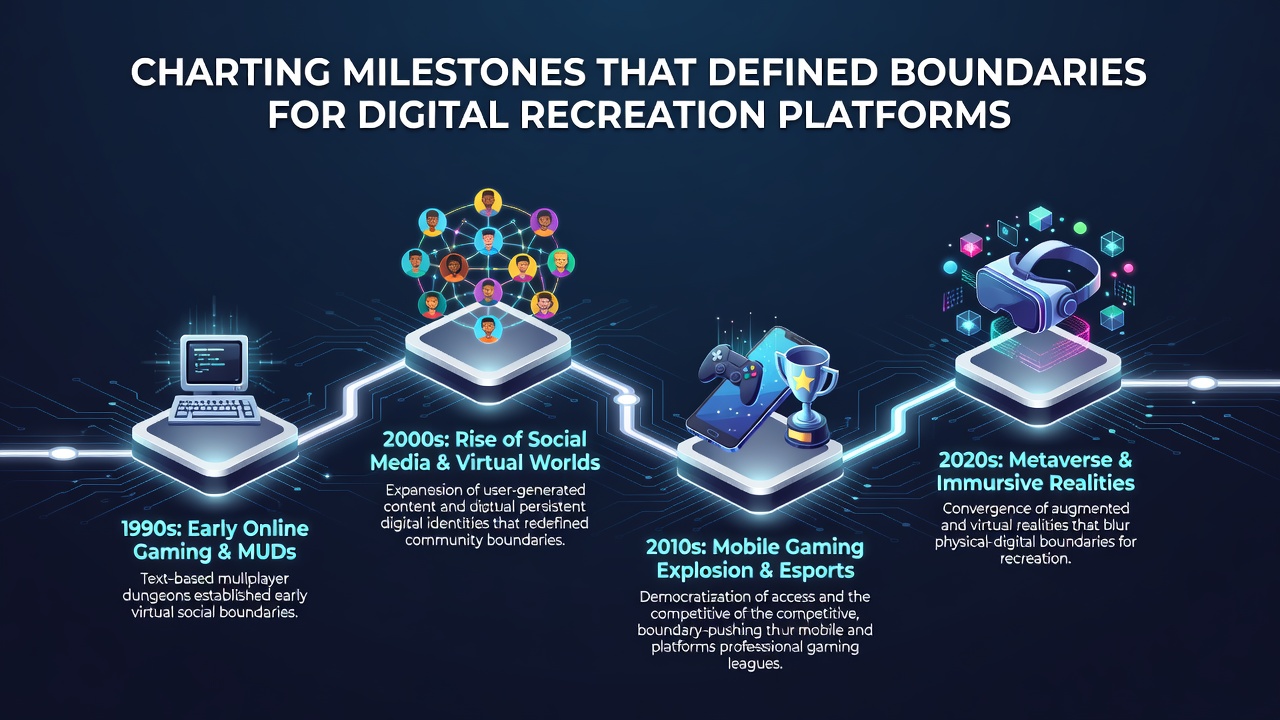
North American jurisdictions followed with their own measures, and the California Consumer Privacy Act of 2020 introduced opt-out mechanisms for personal data sales that directly affected advertising models within free-to-play recreation services. Academic studies published by the University of Toronto's Centre for Innovation Law and Policy tracked how these rules prompted platforms to separate core gameplay data from targeted marketing profiles, a structural change that persists across major services.
Platform Accountability Requirements
The 2022 Digital Services Act in the European Union marked another boundary-defining moment by mandating transparency reports and risk assessments for very large online platforms; according to official EU documentation, recreation and streaming services exceeding 45 million monthly users in Europe became subject to annual independent audits starting in 2024. Observers note these requirements extended existing content moderation obligations into proactive systemic risk evaluations covering addictive design features and algorithmic amplification of certain entertainment categories.
Similar accountability measures appeared in other regions during the same period, and Canada's Online Harms Act proposals incorporated platform reporting duties that aligned closely with EU standards while adding specific provisions for live-streaming interactions. Industry associations such as the Entertainment Software Association of Canada published compliance guidance documents that helped smaller developers navigate the resulting obligations without disrupting service availability.
Emerging Developments Through 2026
Updates scheduled for September 2026 include expanded international coordination on age-verification protocols, with the International Age Rating Coalition preparing to release revised technical standards that incorporate biometric and device-based verification options. Government agencies in Australia and Singapore have already signaled alignment with these forthcoming specifications, and preliminary testing data released by participating platforms shows improved accuracy rates compared with earlier document-only verification methods.
These coordinated efforts build on prior milestones by addressing persistent challenges in cross-platform user journeys, and researchers continue to monitor how new verification layers affect accessibility for legitimate users across different age groups and regions.
Conclusion
The progression from early content rating expansions through privacy regulations and modern accountability frameworks demonstrates how digital recreation platforms operate within increasingly defined boundaries established through iterative regulatory responses. Data from multiple government sources and industry coalitions reveals consistent patterns of adaptation that maintain service functionality while meeting evolving compliance expectations across jurisdictions.